
How We Recycle Refrigerants For The Environment
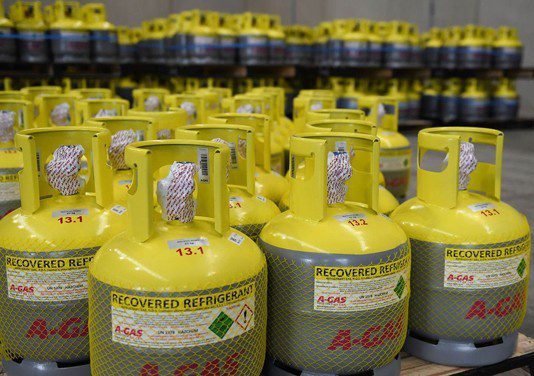
Why careful handling of refrigerants matters
Refrigerant gas released into the atmosphere can have a significant environmental impact. Many F-gases, including HFCs and CFCs, trap heat far more effectively than CO₂, and some also contribute to ozone layer depletion.
Safe removal before disposal
All air conditioning systems rely on refrigerant to operate. Before any system is disposed of, the refrigerant must be safely removed, captured, and managed rather than released illegally into the atmosphere. Once recovered, it can be appropriately recycled, reclaimed, or disposed of in line with legal and environmental requirements.
While often used interchangeably, the air conditioning industry refrigerant handling falls into three distinct categories;
Recovery: Removing refrigerant from an appliance and storing it in an external reclaim cylinder. This avoids damaging atmospheric release.
Reclaim: Processing the recovered gas at a specialized facility to meet virgin purity specifications using chemical analysis. If it cannot be reclaimed, it is safely destroyed
Recycle: Cleaning the refrigerant (usually via oil separation and filter-driers) to remove moisture and particulates to meet AHRI purity standards for reuse
Our approach to refrigerant recycling
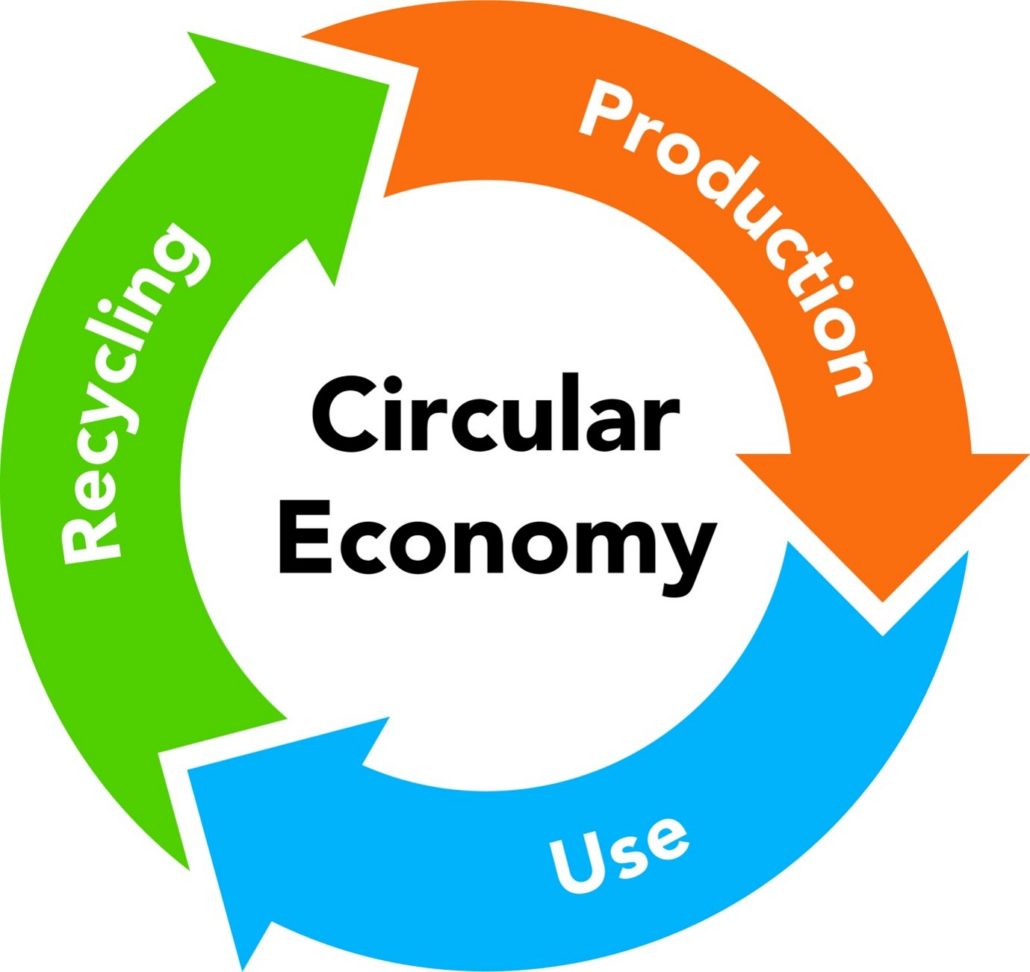
Rather than treating refrigerant as a single-use material, we work with A-Gas New Zealand to recover, recycle, and reclaim it so it can be used again.
When refrigerant is recovered from equipment, it is carefully contained and returned through a controlled process. It is then cleaned, processed, and restored to a high-quality standard, allowing it to re-enter use rather than being removed from circulation.
Why recycling matters
While this may not be the lowest-cost option, it makes a meaningful difference. Refrigerant is a valuable industry resource, and keeping it in use for longer helps make better use of what is already available in New Zealand.
Proper management is essential throughout the recovery process. A-Gas systems ensure refrigerant is tracked, processed, and returned to a standard that allows it to be safely reused across the wider market. This approach also supports a more sustainable and efficient way of working across the industry.
End of life equipment disposal
Before moving on any used unwanted air conditioning equipment, aside from capturing all refrigerants legally and safely, other components such as wiring and metals are also stripped out for recycling, minimising what is then actually processed as waste.
If you are interested in replacing your heat pump, see our website page for more details https://gavinlowe.co.nz/trade-in-deal/
Related Articles
 https://gavinlowe.co.nz/wp-content/uploads/2026/07/Manifold-e1784516275635.jpg
812
1000
Karen Lowe
https://gavinlowe.co.nz/wp-content/uploads/2021/04/GLE-Logo-Landscape-Large.png
Karen Lowe2026-07-20 14:50:122026-07-20 14:58:11Diesel Change To Heat Pump – A Case Study
https://gavinlowe.co.nz/wp-content/uploads/2026/07/Manifold-e1784516275635.jpg
812
1000
Karen Lowe
https://gavinlowe.co.nz/wp-content/uploads/2021/04/GLE-Logo-Landscape-Large.png
Karen Lowe2026-07-20 14:50:122026-07-20 14:58:11Diesel Change To Heat Pump – A Case Study https://gavinlowe.co.nz/wp-content/uploads/2026/07/Picture1-e1784516384984.jpg
376
534
Karen Lowe
https://gavinlowe.co.nz/wp-content/uploads/2021/04/GLE-Logo-Landscape-Large.png
Karen Lowe2026-07-09 11:43:272026-07-09 11:43:27How We Recycle Refrigerants For The Environment
https://gavinlowe.co.nz/wp-content/uploads/2026/07/Picture1-e1784516384984.jpg
376
534
Karen Lowe
https://gavinlowe.co.nz/wp-content/uploads/2021/04/GLE-Logo-Landscape-Large.png
Karen Lowe2026-07-09 11:43:272026-07-09 11:43:27How We Recycle Refrigerants For The Environment https://gavinlowe.co.nz/wp-content/uploads/2026/05/SugarloafEntrance_LisaSun.jpg
5151
7722
Karen Lowe
https://gavinlowe.co.nz/wp-content/uploads/2021/04/GLE-Logo-Landscape-Large.png
Karen Lowe2026-05-06 16:01:122026-05-06 16:01:12Underfloor Hydronic Heating Put To The Test!
https://gavinlowe.co.nz/wp-content/uploads/2026/05/SugarloafEntrance_LisaSun.jpg
5151
7722
Karen Lowe
https://gavinlowe.co.nz/wp-content/uploads/2021/04/GLE-Logo-Landscape-Large.png
Karen Lowe2026-05-06 16:01:122026-05-06 16:01:12Underfloor Hydronic Heating Put To The Test! https://gavinlowe.co.nz/wp-content/uploads/2025/03/20231110_164033.jpg
910
1920
Karen Lowe
https://gavinlowe.co.nz/wp-content/uploads/2021/04/GLE-Logo-Landscape-Large.png
Karen Lowe2025-11-24 14:45:182026-02-17 09:53:13No More Diesel & Gas!
https://gavinlowe.co.nz/wp-content/uploads/2025/03/20231110_164033.jpg
910
1920
Karen Lowe
https://gavinlowe.co.nz/wp-content/uploads/2021/04/GLE-Logo-Landscape-Large.png
Karen Lowe2025-11-24 14:45:182026-02-17 09:53:13No More Diesel & Gas! https://gavinlowe.co.nz/wp-content/uploads/2025/06/HiAceVanArt-1-scaled.jpg
1068
2560
Karen Lowe
https://gavinlowe.co.nz/wp-content/uploads/2021/04/GLE-Logo-Landscape-Large.png
Karen Lowe2025-06-16 16:37:402025-07-25 06:13:33Proudly Local For 30 Years 1995 – 2025
https://gavinlowe.co.nz/wp-content/uploads/2025/06/HiAceVanArt-1-scaled.jpg
1068
2560
Karen Lowe
https://gavinlowe.co.nz/wp-content/uploads/2021/04/GLE-Logo-Landscape-Large.png
Karen Lowe2025-06-16 16:37:402025-07-25 06:13:33Proudly Local For 30 Years 1995 – 2025 https://gavinlowe.co.nz/wp-content/uploads/2024/07/Madoka-3-Resized-scaled.jpg
1706
2560
Karen Lowe
https://gavinlowe.co.nz/wp-content/uploads/2021/04/GLE-Logo-Landscape-Large.png
Karen Lowe2024-07-15 15:24:382026-02-17 09:54:19Bespoke Design – Ducted Heat Pumps
https://gavinlowe.co.nz/wp-content/uploads/2024/07/Madoka-3-Resized-scaled.jpg
1706
2560
Karen Lowe
https://gavinlowe.co.nz/wp-content/uploads/2021/04/GLE-Logo-Landscape-Large.png
Karen Lowe2024-07-15 15:24:382026-02-17 09:54:19Bespoke Design – Ducted Heat Pumps https://gavinlowe.co.nz/wp-content/uploads/2021/07/Clipboard-Crop-scaled.jpg
1397
2560
Karen Lowe
https://gavinlowe.co.nz/wp-content/uploads/2021/04/GLE-Logo-Landscape-Large.png
Karen Lowe2021-07-04 18:45:542024-01-29 14:12:18Healthy Homes Standards
https://gavinlowe.co.nz/wp-content/uploads/2021/07/Clipboard-Crop-scaled.jpg
1397
2560
Karen Lowe
https://gavinlowe.co.nz/wp-content/uploads/2021/04/GLE-Logo-Landscape-Large.png
Karen Lowe2021-07-04 18:45:542024-01-29 14:12:18Healthy Homes Standards

